Recognizing the Relevance of Psychological Treatment for Teen Advancement and Health
Mental treatment plays a crucial role in the growth and wellness of teens. It attends to a variety of mental health concerns that can prevent their development. Through therapy, teens can discover vital coping techniques and enhance their psychological intelligence. This procedure promotes resilience, permitting them to far better navigate life's challenges. Many still wait to involve in discussions concerning psychological health. Discovering the reasons behind this reluctance exposes deeper understandings into the teenage experience.
The Effect of Teen Mental Health And Wellness on Overall Development
The interaction in between teen psychological health and wellness and total advancement is profound and diverse. During the essential phase of teenage years, individuals undertake considerable physical, psychological, and social changes that shape their identification and future. Mental health and wellness plays a pivotal function in this procedure, influencing academic efficiency, partnerships, and self-esteem. Favorable mental wellness fosters durability and flexibility, enabling teens to browse obstacles effectively. Conversely, mental wellness concerns can impair cognitive functions, interrupt social communications, and hinder emotional policy, bring about a waterfall of developmental problems.
In addition, the setting in which adolescents grow-- encompassing household dynamics, peer influences, and societal expectations-- engages with their psychological health, more complicating their developing trajectory. Understanding the value of psychological wellness in this phase is crucial for advertising healthy and balanced growth and making certain that teens can grow, both throughout their developmental years and beyond. Prioritizing mental wellness assistance can significantly improve their overall growth and future possibility.
Usual Mental Health And Wellness Issues Dealt With by Teenagers
While maneuvering through the intricacies of teenage years, numerous young adults encounter a range of mental wellness problems that can considerably influence their lives. Stress and anxiety conditions are prevalent, usually identified by extreme worry or worry that interferes with daily tasks. Clinical depression is one more common issue, showing up as persistent despair, loss of rate of interest, and difficulty in operating. Furthermore, behavior issues, such as opposite defiant problem, can result in problems with authority figures and a battle to abide by social standards. Eating problems, consisting of anorexia nervosa and bulimia, may arise as teens grapple with body picture and social pressures. Ultimately, drug abuse can develop as a misdirected effort to cope with emotional distress. These mental wellness challenges, if unaddressed, can impede scholastic performance and interpersonal partnerships, highlighting the requirement for awareness and support within this prone age.
The Role of Therapy in Structure Coping Approaches
Therapy plays a considerable function in outfitting teenagers with efficient coping methods to browse their psychological health difficulties. With organized sessions, specialists help teens identify and comprehend their feelings, fostering self-awareness. By making use of numerous strategies such as cognitive-behavioral therapy, teens learn to test unfavorable idea patterns and change them with positive ones. This procedure allows them to develop healthier feedbacks to stressors.
Additionally, therapy provides a safe setting for teenagers to practice these techniques, helping with the shift from concept to real-life application. Role-playing and circumstance evaluation allow them to rehearse coping devices in a helpful space. As teenagers encounter special pressures-- academic needs, social characteristics, and identity expedition-- having personalized coping methods ends up being vital. Ultimately, treatment not only addresses immediate worries however also infuses lifelong abilities that allow adolescents to take care of future difficulties, advertising general psychological wellness and resilience in their growth.
Promoting Durability and Psychological Knowledge Through Treatment
How can treatment nurture strength and emotional knowledge in teenagers? Treatment offers a secure environment where teenagers Individual Therapy Toronto can explore their habits, thoughts, and feelings. Via directed conversations and activities, specialists help teens recognize and understand their sensations, cultivating emotional understanding. This recognition is a cornerstone of emotional knowledge, enabling them to feel sorry for others and handle social relationships successfully.
In addition, therapy gears up teens with devices to browse life's challenges, promoting durability. By resolving previous traumas, frustrations, and stressors, they discover to create coping mechanisms that equip them to deal with difficulty. Therapists typically urge goal-setting, which instills a sense of purpose and accomplishment.
As teens exercise these abilities in treatment, they end up being a lot more experienced at handling setbacks and uncertainties (Individual Teen Counselling). Ultimately, this nurturing of resilience and emotional intelligence prepares them for the intricacies of adult life, boosting their total psychological wellness and health

Urging Open Discussion Concerning Mental Wellness in Teenagers
What strategies can properly cultivate open discussion regarding mental health and wellness among teenagers? Creating a encouraging and secure atmosphere is essential. Parents and educators need to motivate discussions by normalizing discussions concerning mental health, emphasizing that it is a substantial element of general well-being. Energetic listening plays a crucial role; grownups need you could try here to be alert and non-judgmental when teenagers share their sensations or issues.
Integrating mental wellness education into college curriculums have a peek here can additionally assist in open dialogue. Workshops, peer support system, and psychological health and wellness awareness projects can equip teens to express themselves extra easily. Additionally, making use of social networks platforms can be helpful, as they are commonly where teens really feel most comfortable interacting. By promoting an environment of count on and visibility, adults can help teens understand that reviewing mental wellness is not only acceptable yet required for their growth and psychological health.
Often Asked Inquiries
Exactly How Can Moms And Dads Recognize Signs of Mental Health And Wellness Issues in Teenagers?
Moms and dads can recognize indications of psychological health issues in teens by observing adjustments in behavior, mood swings, withdrawal from tasks, decreasing academic performance, modifications in rest or cravings, and expressing feelings of despondence or anxiousness.
What Types of Therapy Are A Lot Of Efficient for Teenagers?
Cognitive Behavior Modification (CBT), Dialectical Behavior Modification (DBT), and group therapy are among the most efficient kinds for teenagers. Individual Counselling Services. These methods promote dealing skills, emotional guideline, and give peer assistance, necessary for adolescent mental health and wellness
Exactly How Can Therapy Support Academic Performance in Teenagers?
What Should Teens Expect During Their First Treatment Session?
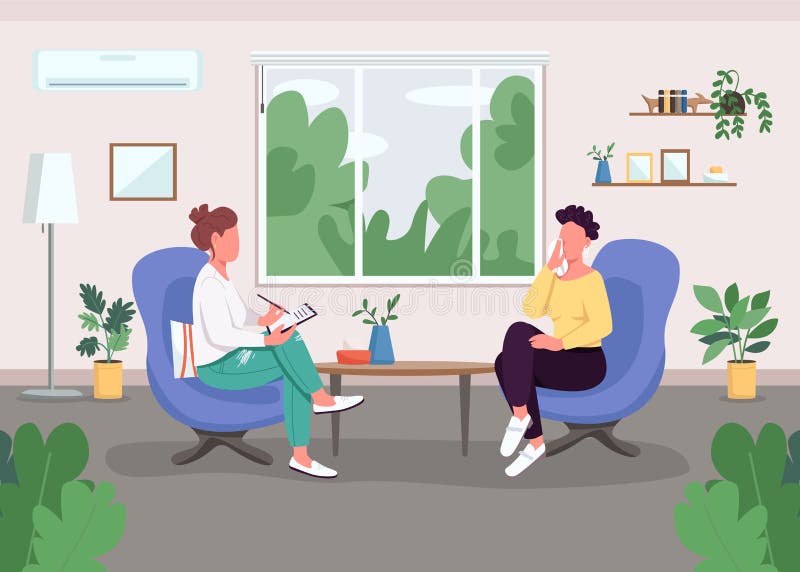
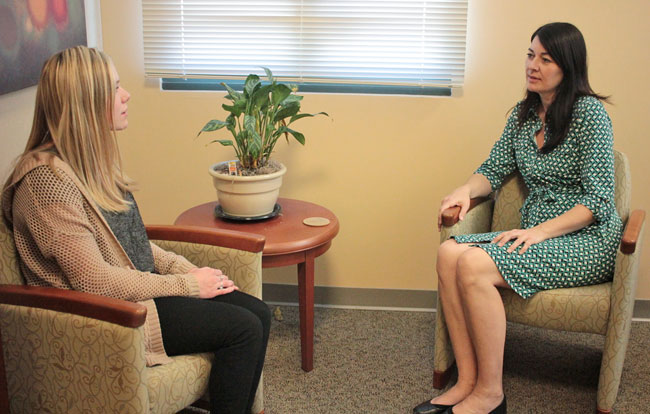
Throughout their very first therapy session, teens can expect an inviting setting, an intro to the therapist, discussions about their concerns, and developing objectives (Individual Therapy For Teens). Discretion and the restorative process will certainly additionally be described to promote comfort and trust fund
Just How Can Teens Find a Specialist That Fits Their Needs?
Young adults can discover a suitable specialist by looking for recommendations from relied on adults, researching on-line directories, considering specializeds, and scheduling first appointments to evaluate compatibility and communication designs, eventually ensuring an encouraging therapeutic partnership.
Comments on “How to know your child needs Individual Therapy For Teens”